

Recommended Routine
Curated products specifically targeted for pigmentation.
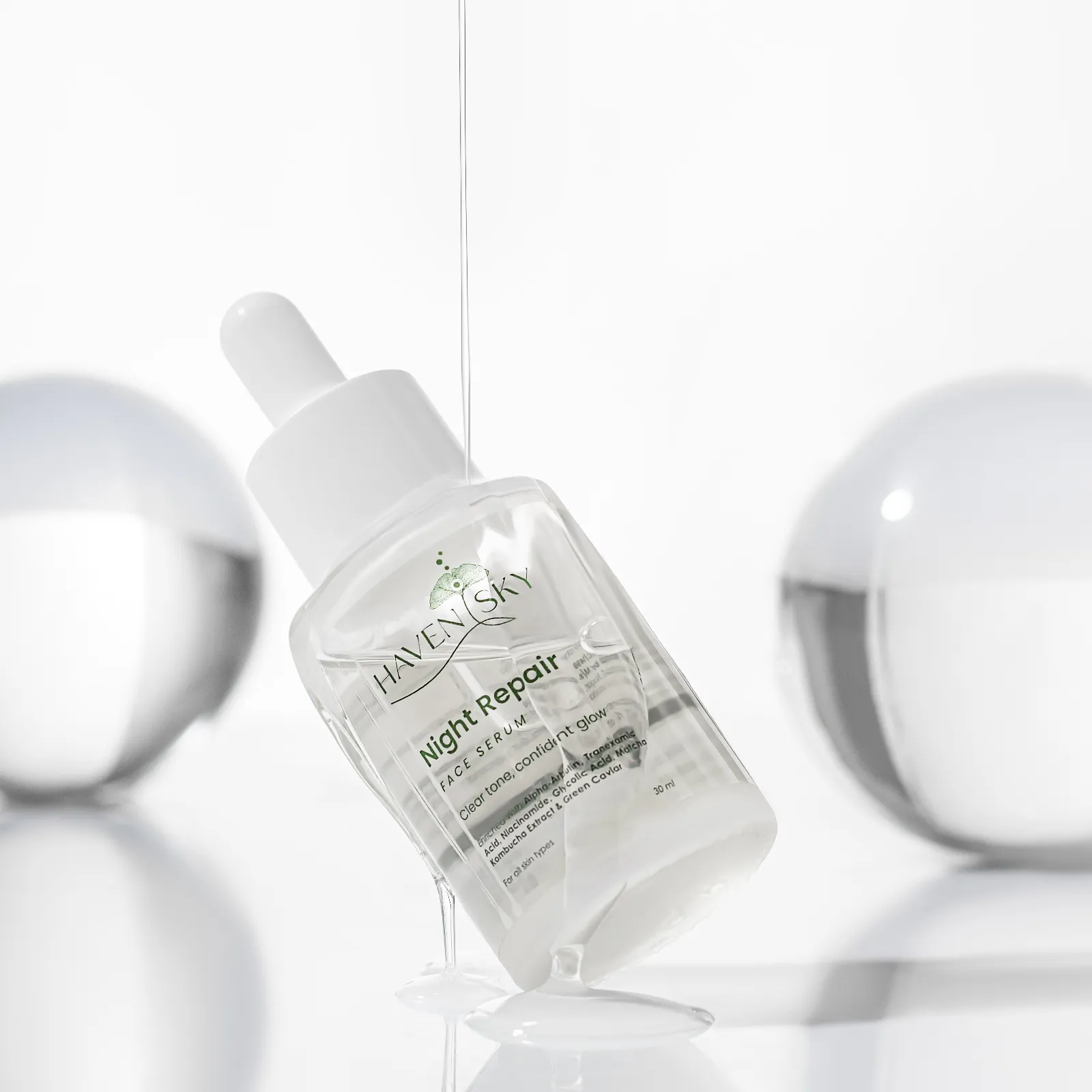
Expert Advice & Reads
Tranexamic Acid for Skin Pigmentation: What to Know
How tranexamic acid works on melasma and post-acne marks, why it suits Indian skin tones, and how to actually use it without wasting it.
Read Article
UVA vs UVB Rays Skin Damage: What's Actually Different
UVA and UVB damage skin very differently. Here is what each one actually does, and why broad-spectrum SPF 50 PA+++ matters for Indian skin.
Read Article
De-tan at home: what actually works
Most de-tan home remedies only fix half the problem. Here's what the skin is actually doing when it tans, and which ingredients have the research to reverse it.
Read Article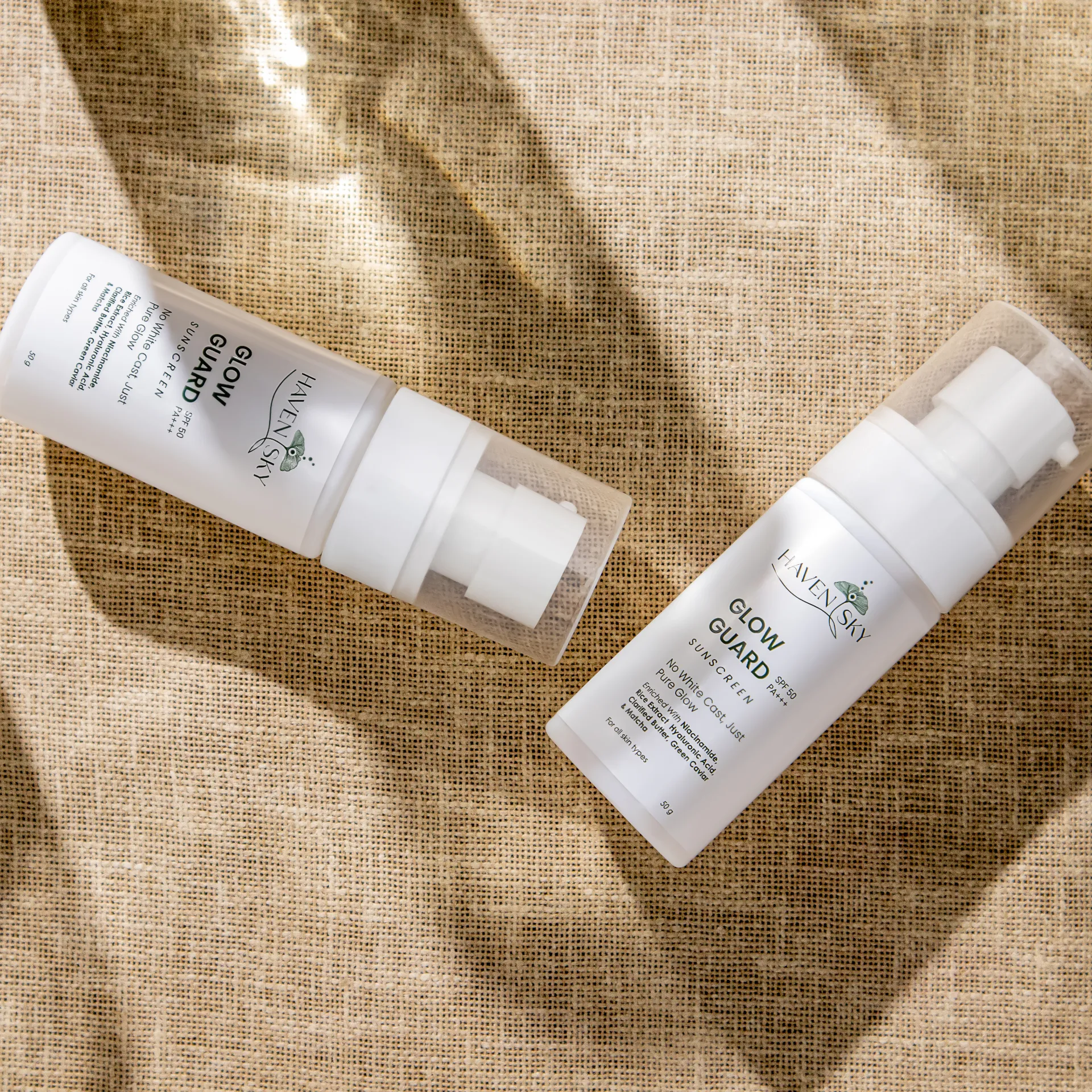
Why Sun Care Is the Most Important Step in Your Skincare Routine
Your serums, actives, and moisturizers all work harder on protected skin. Sunscreen isn't the last step in your routine. It's the one that makes every other step worth doing.
Read Article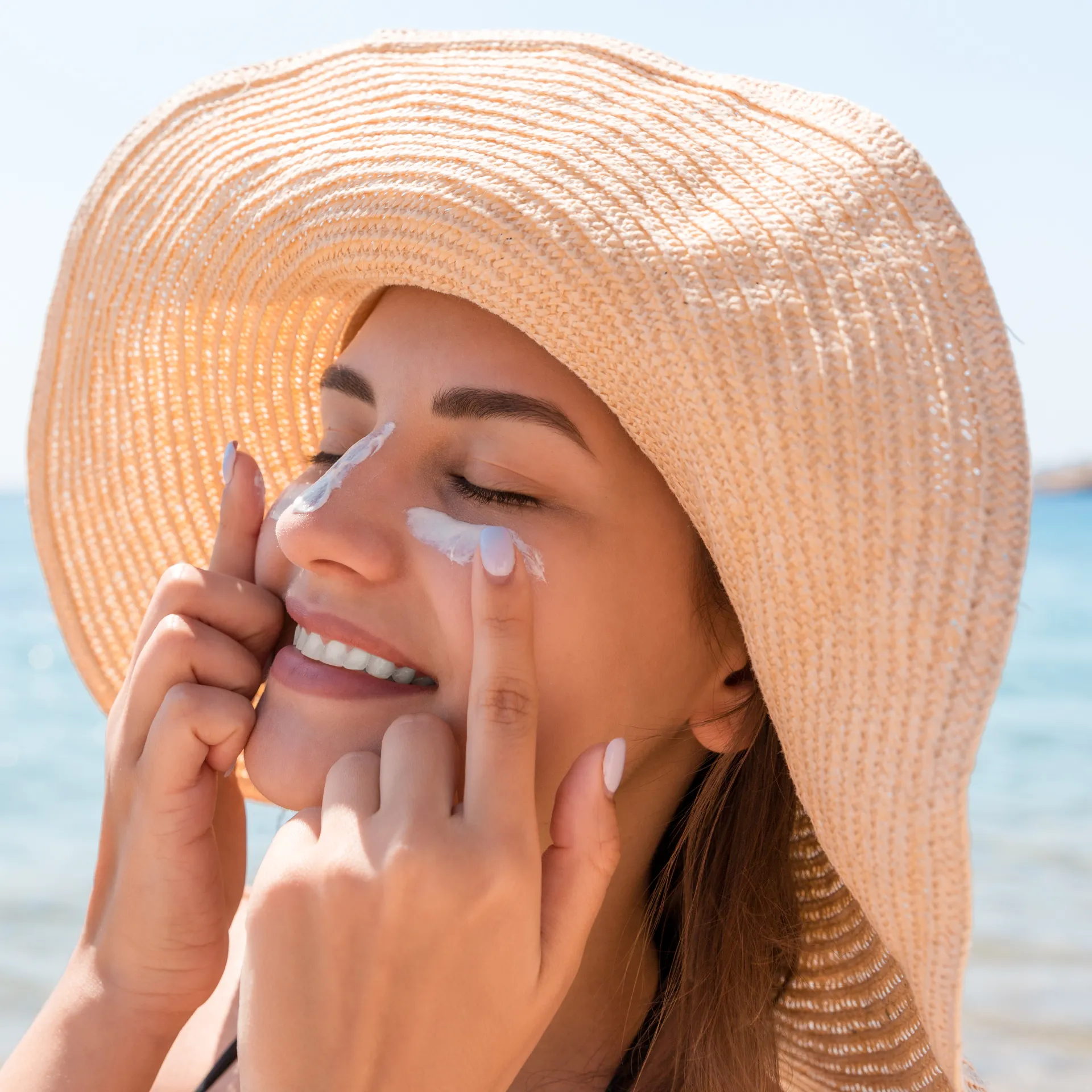
How Sunscreen Prevents Pigmentation
Why SPF is your best defense against new dark spots.
Read Article
Understanding Melasma: Triggers & Treatments (Updated)
Learn what causes melasma and how to manage it effectively with the right skincare routine.
Read Article
The Best Ingredients for Dark Spots
Vitamin C, Niacinamide, and Kojic Acid: A deep dive into pigmentation fighters.
Read Article
Can Stress Cause Pigmentation?
Exploring the link between cortisol and skin discoloration.
Read Article
Post-Inflammatory Hyperpigmentation Explained
What to do when acne leaves a mark behind.
Read ArticleCommon Questions
Answers to your concerns about pigmentation.