
De-tan at home: what actually works
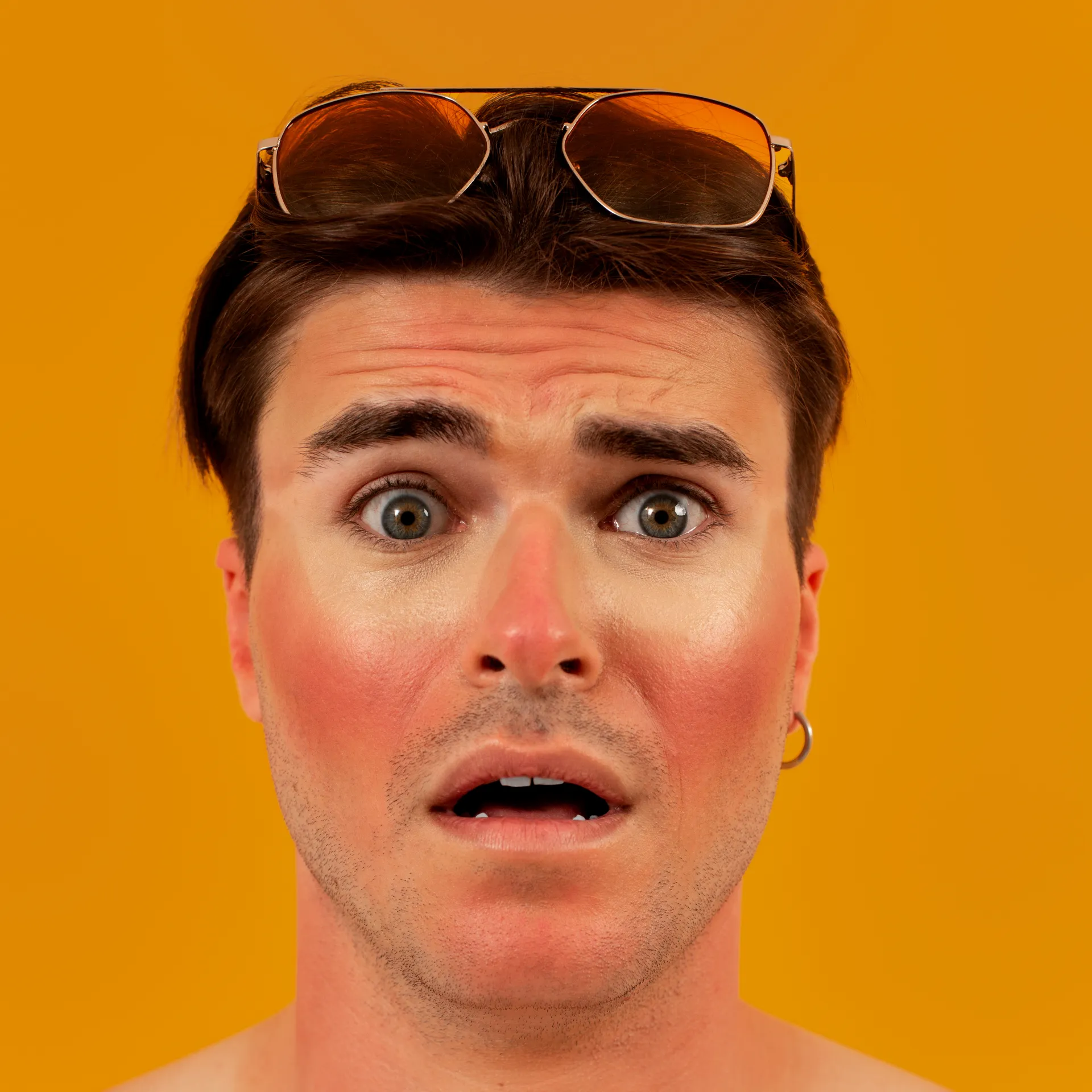
You've probably already tried the lemon-and-honey paste your aunt swore by. Maybe it stung. Maybe it did nothing. Most kitchen remedies give mixed results because tanning isn't surface dirt you can scrub off. It's your skin producing melanin in response to UV damage, and that process takes real time to reverse.
When UV rays hit your skin, melanocytes produce melanin as a protective response. It darkens and rises to the surface. De-tanning means slowing that production and speeding up how fast your skin sheds those darkened cells. Most home remedies only address one side of this, which is why they feel underwhelming even when you use them consistently.
Home remedies that have some logic behind them
Not everything from your kitchen is useless. Curd or yogurt contains lactic acid, a gentle AHA that loosens dead skin cells, and it's genuinely one of the more useful options. The yogurt-plus-rice-powder mask that circulates on skincare forums works because of the lactic acid, not the rice powder.
Tomato has lycopene and a mild acidic pH that can help with surface dullness. Fifteen to twenty minutes as a mask, washed off properly, is low-risk and can brighten skin over several uses.
Turmeric has curcumin, which has some evidence for inhibiting tyrosinase (the enzyme that drives melanin production). A small pinch in a face pack is fine. A thick layer sitting on your skin for an hour will just stain you yellow.
One thing that definitely doesn't work: lemon juice directly on skin. The citric acid is too harsh, especially on Indian skin, and sun exposure after applying it can cause phytophotodermatitis, leaving dark patches worse than your original tan.
What consistently works
It comes down to exfoliation plus actives, done over two to four weeks. There's no single-wash fix, regardless of what YouTube thumbnails promise.
When you shed melanin-heavy surface cells faster, skin tone evens out more quickly. Gentle physical exfoliation combined with chemical exfoliants like glycolic or lactic acid works better than either alone, and the word gentle is doing real work there. Scrubbing aggressively inflames skin and can trigger more melanin production, which is exactly what you're trying to avoid.
Brightening actives are the other half. Niacinamide disrupts the transfer of melanin from melanocytes to skin cells. Alpha-arbutin inhibits tyrosinase. Tranexamic acid reduces UV-triggered melanin synthesis. None of these are glamorous, but they have real research behind them and they work. Used at night, when skin is in repair mode, they produce visible results within three to six weeks for most people.
Sunscreen is what holds all of it together. Most people treat it as optional. If you're trying to de-tan while walking into the sun unprotected every morning, you're undoing the work. A broad-spectrum SPF 50 applied 20-30 minutes before going out, reapplied every three hours outdoors, is the most effective single addition to any de-tan routine.
A routine that actually does something
Morning: cleanse, brightening serum, moisturiser, sunscreen. Evening: cleanse well, acid or brightening treatment, moisturiser. Doing it every day beats doing it perfectly twice a week.
For the body (hands, arms, neck), the approach is the same and people forget these areas constantly. A body wash with lactic acid used daily in the shower handles it passively, without adding steps.
Haven Sky's Night Repair Face Serum combines alpha-arbutin, tranexamic acid, niacinamide, and glycolic acid in one product, which covers both the melanin-inhibiting and exfoliating sides of de-tanning. If layering multiple products feels like too much, it's worth trying.
What it actually takes
De-tanning at home isn't about finding the right paste. It's exfoliation, brightening actives at night, and sunscreen every morning, done for at least four weeks. Curd and tomato can fit into that. They're not useless. But they work slowly and work better as additions, not as the whole plan. Skin doesn't reset in a week, no matter what anyone claims.