
How to Reduce Acne Marks Naturally
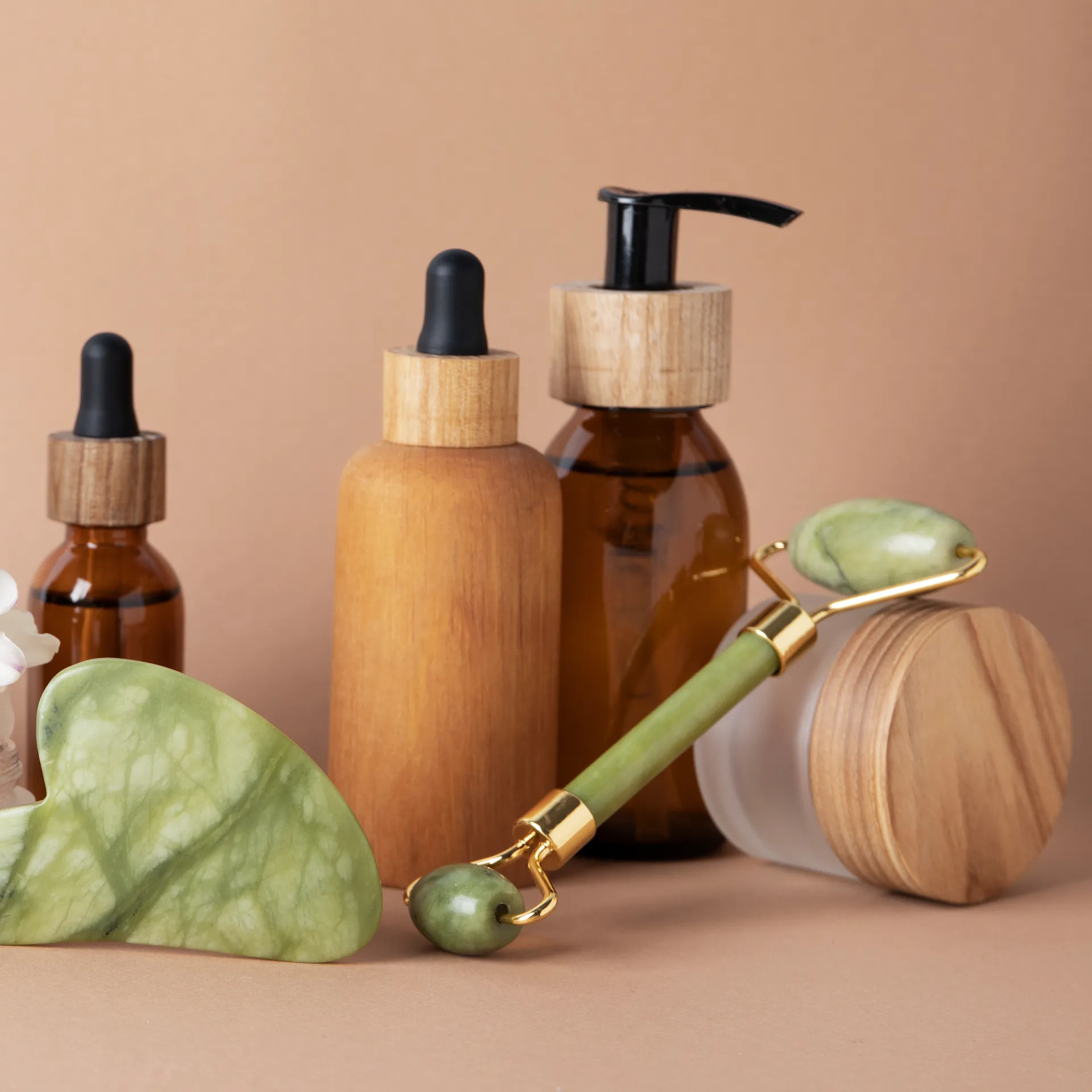
If you've been staring at those stubborn dark spots long after the pimple has gone, you're not imagining things. Acne marks genuinely take longer to fade on Indian skin. Melanin-rich skin reacts to inflammation by producing even more pigment, which is why a single breakout can leave a mark that hangs around for months. If you're looking into how to reduce acne marks naturally, the honest answer is: it's possible, but it takes consistency and the right approach, not ten different DIY hacks applied randomly.
First, Understand What You're Actually Dealing With
Most people confuse acne marks with acne scars. They're different. Marks are flat, dark or reddish discolouration, called post-inflammatory hyperpigmentation (PIH). Scars are textural, with actual indentations or raised tissue. Natural remedies work reasonably well on PIH. Textural scars are a different conversation, usually needing professional intervention. This post focuses on the former.
What Actually Works at Home
Aloe vera — not a myth, but not magic either. Fresh aloe gel contains aloesin, a compound that has shown some ability to inhibit excess melanin production. Apply it directly to marks after cleansing. It won't erase anything overnight, but with daily use over four to six weeks, you'll likely notice the marks looking less intense. The key is fresh gel from the leaf, not the fluorescent green stuff from a tube.
Turmeric with honey. Curcumin in turmeric has real anti-inflammatory properties. A small spot treatment made from half a teaspoon of turmeric mixed with raw honey can help calm residual redness around newer marks. Leave it on for fifteen minutes and rinse. Fair warning: use a tiny amount or your skin will look yellow for a few hours. Not ideal if you have a meeting.
Rosehip oil. This one often gets dismissed as too oily, especially if you have acne-prone skin. But rosehip is non-comedogenic and contains natural retinoids and linoleic acid. Two to three drops pressed into clean skin at night can gradually improve skin tone over time. It works slowly. That's not a flaw, it's just how skin cell turnover works.
Sun protection, the single most underrated step. UV exposure directly worsens PIH. Every time unprotected skin hits sunlight, existing marks get darker and take longer to fade. If you're doing everything else right but skipping sunscreen, you're essentially moving backwards. This isn't optional advice. It's the foundation.
How to Reduce Acne Marks Naturally: The Routine That Actually Makes Sense
Morning: Gentle cleanser, moisturiser, sunscreen. That's it. Don't layer three actives before 9am.
Night: This is when you can actually work on the marks. After cleansing, if you're using an active ingredient, a niacinamide serum, rosehip oil, or something with mild exfoliating acids, nighttime is when skin repairs itself and absorbs ingredients more effectively.
Exfoliation matters, but less is more. Over-exfoliating inflamed or post-acne skin is one of the most common mistakes. Once or twice a week, maximum. Glycolic acid or lactic acid at low concentrations help accelerate cell turnover and bring fresher skin to the surface faster than any scrub ever will.
Things Worth Skipping
Lemon juice directly on skin. The citric acid is too harsh and uncontrolled, and for Indian skin tones it can cause more discolouration, not less. Toothpaste on spots. Baking soda on skin. These are outdated, and the pH disruption isn't worth the temporary drying effect.
Also, resist the urge to try everything at once. Skin needs time to respond. If you switch products every two weeks, you'll never know what's actually working.
How Long Does It Realistically Take?
Shallow PIH on lighter Indian skin tones can fade in six to eight weeks with a consistent routine. Deeper marks on medium to darker skin tones can take three to six months. That's not a brand being pessimistic, that's how melanocyte activity works. Patience is genuinely part of the process, not a placeholder answer.
If you're at the three-month mark with no improvement despite sunscreen and actives, a dermatologist visit is the smarter move rather than doubling down on home remedies.
One Product Worth Considering
If you want to bring actives into your night routine without building a ten-step shelf, Haven Sky's Night Repair Face Serum has a combination of alpha-arbutin, tranexamic acid, niacinamide, and glycolic acid, ingredients that directly address pigmentation and uneven tone. It's formulated to be gentle enough for daily use, which matters if your skin is already reactive from breakouts. Follow it with sunscreen every morning without fail, especially since it contains exfoliating acids.
Learning how to reduce acne marks naturally comes down to two things: using ingredients that are actually backed by some evidence, and protecting your skin from the sun every single day. Everything else is supporting cast.